
Waymo is teaching cars to drive themselves. Jesse Is Heavyweight wants to give them a soundtrack. The proposed pairing of “Monumental” and Waymo could turn an ordinary ride into something that feels strangely historic.
There is something inherently strange about getting into a car with no driver.
You close the door. You look around. There is no one in the front seat to make eye contact with, no radio host to fill the silence, no driver whose playlist you have accidentally inherited. The vehicle simply knows where you are going—and begins moving.
Amazon’s Zoox and Alphabet’s Waymo announced significant expansions of their autonomous ride-hailing services to additional U.S. cities. Zoox is extending its testing to Houston and San Diego, bringing its operational footprint to 12 locations. Initial phases will involve retrofitted vehicles for mapping and testing prior to introducing its fully autonomous robotaxis. The move follows Zoox’s recent commercial launch, which began offering paid rides in Las Vegas in August after piloting free rides in cities like San Francisco, Austin, and Miami. Meanwhile, Waymo is expanding its fully autonomous ride services to Denver, San Diego, and Tampa, increasing its city coverage to 14. Public access in these areas will roll out gradually.
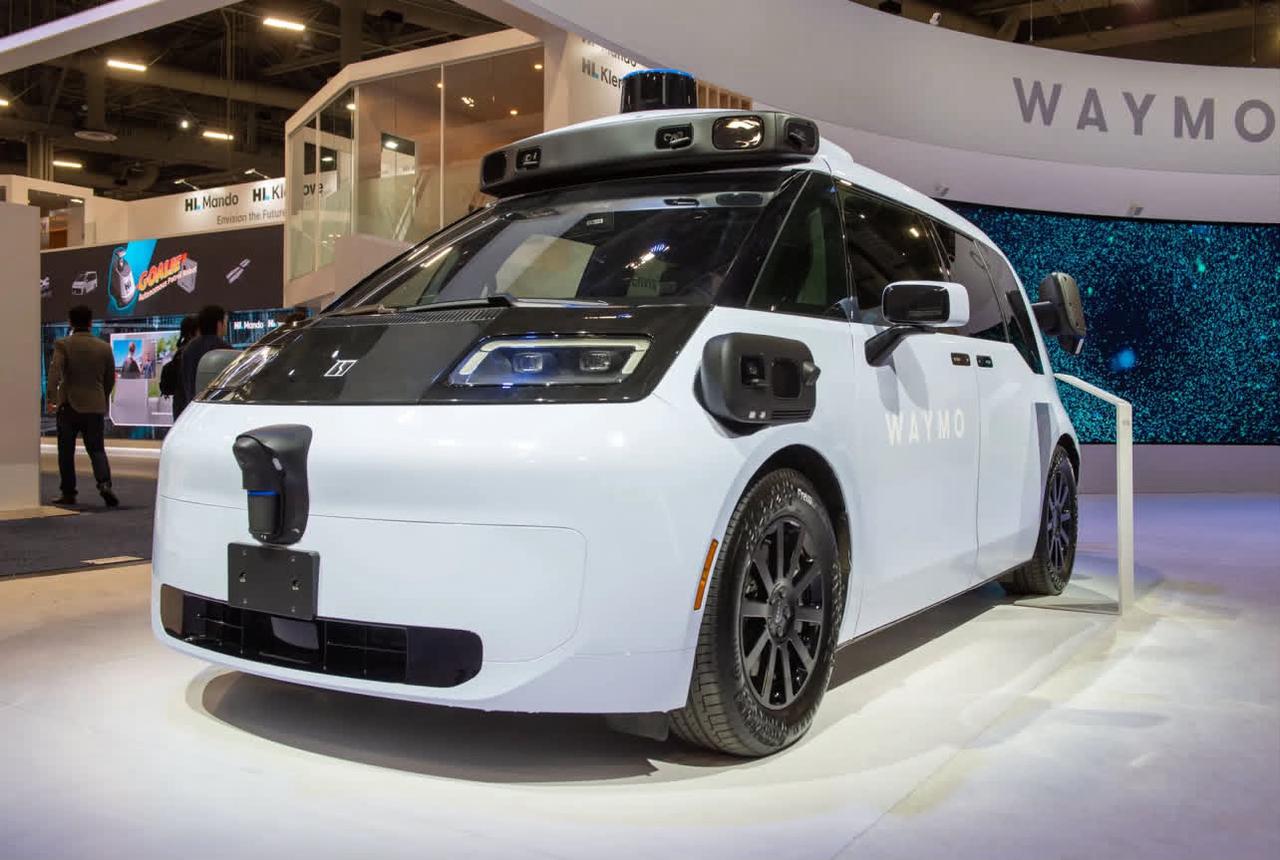
Waymo also operates paid services in several U.S. cities and is preparing to enter the European market, with testing set to begin in Munich and a commercial launch in Germany anticipated by late 2027. The expansions underscore the growing competition among autonomous vehicle firms, including Tesla, to scale robotaxi services nationwide.”That creates the classic problem facing every technology company once its technology starts working:
What does it feel like?
People don’t necessarily fall in love with infrastructure. They fall in love with experiences.
The first time a person rides alone in a car that drives itself is already an emotional event. There is disbelief. Curiosity. Maybe a little fear. Then comes the realization that the thing is actually driving.
A recurring musical cue could turn that experience into a ritual.
Imagine the doors closing. The cabin comes alive. The destination appears. Then the opening of “Monumental.”
Suddenly, the passenger isn’t merely being transported.
They’re entering the future.
That is valuable branding.
And Jesse Is Heavyweight Gets Something Even Bigger
For Jesse Is Heavyweight, the upside runs in the opposite direction.
A song can be streamed thousands—or millions—of times and still exist primarily as something people intentionally seek out.
Put that same song inside an autonomous vehicle and it becomes environmental.
People don’t have to know who Jesse Is Heavyweight is before hearing it. They don’t have to press play. The song becomes associated with a physical moment: getting into a car that drives itself.
That is how songs become memories.
And it gives “Monumental”, the million plus viewed viral anthem, an unusually appropriate context. Heavyweight Unlimited describes itself as operating across entertainment, applied sciences and other ventures, with Jesse Is Heavyweight positioned at the center of that broader vision.
Waymo, meanwhile, is quite literally building a machine for the future.
The collision of those two ideas is the interesting part.
One is selling the future through technology.
The other can help sell it through culture.
The Most Interesting Part Is the Irony
There is also a beautiful contradiction at the heart of the idea.
“Monumental” is an ode to winning the race.
Waymo is what happens when the racing fantasy finally stops requiring a racer.
The classic automobile fantasy says: I am in control.
The autonomous fantasy says: I don’t need to be.
But both are ultimately about the same thing—the exhilaration of movement.
For decades, the ultimate automotive experience was putting your foot down.
The futuristic equivalent may be sitting back.
That is why the pairing feels less random the longer you think about it.
The Soundtrack to Not Driving
Technology companies have traditionally struggled with the emotional side of their products. Engineers can make something astonishingly capable and still leave consumers wondering why they should care.
Music solves that problem almost unfairly well.
A song can make an interface feel human. It can transform a product demonstration into a memory. It can turn a mundane trip across town into a scene.
Waymo already gives riders control over their music and entertainment.
However there is a distinction between music available in a car and music associated with the car.
The former is a feature.
The latter is branding.
If every Waymo ride began with “Monumental,” Jesse Is Heavyweight wouldn’t simply have a song playing in cars. He would have a song attached to one of the defining experiences of the autonomous era.
And Waymo wouldn’t simply have a soundtrack.
It would have an anthem.
That is why the pitch is bigger than a licensing deal.
Waymo is building the machine.
Jesse Is Heavyweight has a chance to help define what the machine feels like.
And if the future of driving is that nobody drives, perhaps the future of the race winning anthem is that nobody has to race, either.
They just have to get in to win.
