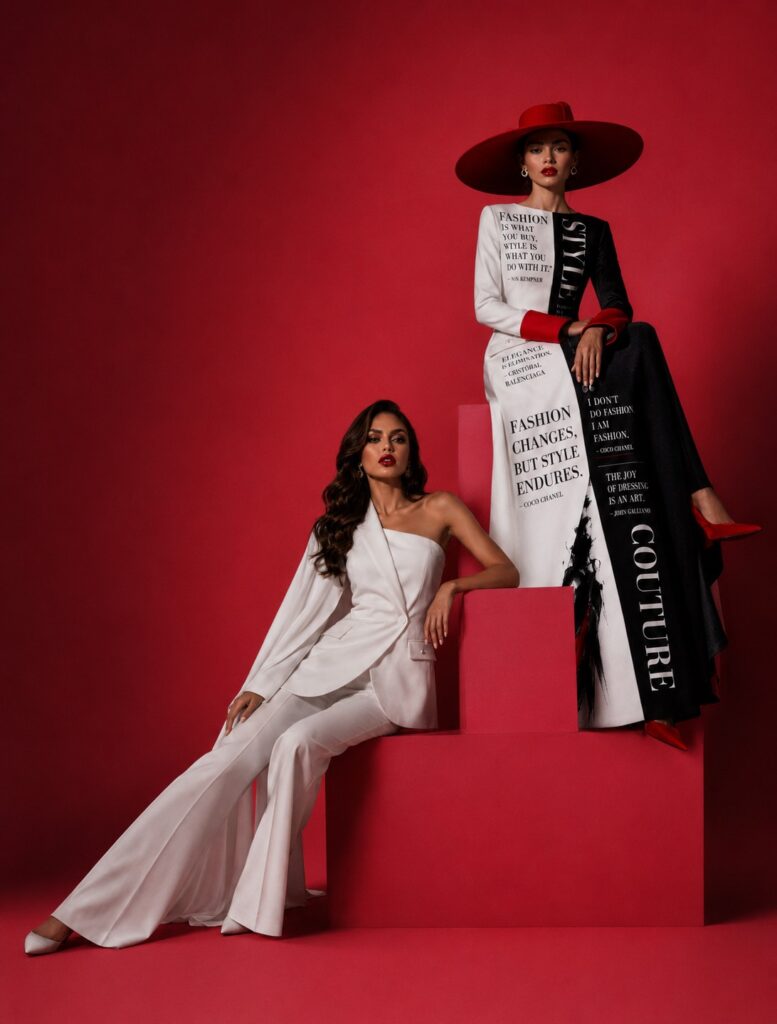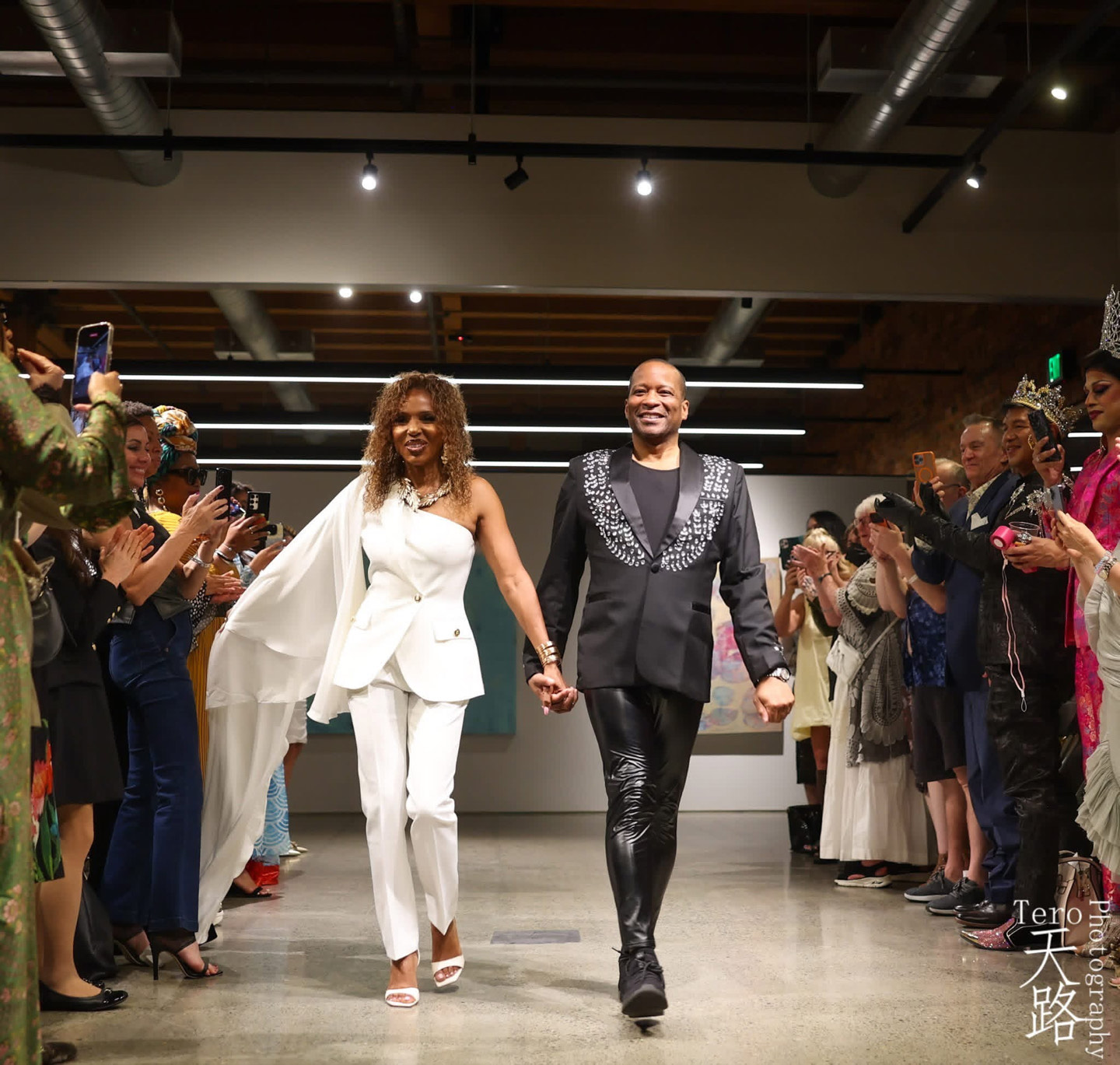
For much of the past century, the luxury industry’s hierarchy has been relatively stable. Paris has remained synonymous with haute couture, Milan with luxury manufacturing, and London with creative experimentation. The United States, despite producing some of fashion’s most commercially successful companies, has largely been defined by sportswear, lifestyle brands, and accessible luxury rather than couture.
Yet that distinction is becoming less clear.
A new generation of independent American luxury houses is emerging with ambitions that extend beyond ready-to-wear. Rather than attempting to replicate European heritage, these brands are building businesses around craftsmanship, digital-first storytelling, ethical production, and direct relationships with consumers. Among the more closely watched examples is Seattle-based Rossario George.
The company illustrates how American luxury may be entering a new phase—one less dependent on historical prestige and more focused on entrepreneurial agility and contemporary consumer values.
Redefining What an American Luxury House Looks Like
The traditional blueprint for a luxury fashion house often begins with decades, if not centuries, of heritage. American brands rarely possess that advantage. Instead, they compete through innovation, operational flexibility, and their ability to respond quickly to changing consumer expectations.
Rossario George has embraced that reality by developing as a vertically integrated lifestyle brand spanning ready-to-wear, beauty, accessories, and, more recently, haute couture. Rather than treating these categories as isolated businesses, the company positions them as complementary touchpoints designed to strengthen long-term customer relationships.
This reflects a broader shift occurring throughout luxury. Consumers increasingly interact with brands across multiple categories before making significant fashion purchases. Beauty products, accessories, and limited-edition collections often serve as entry points into larger brand ecosystems.
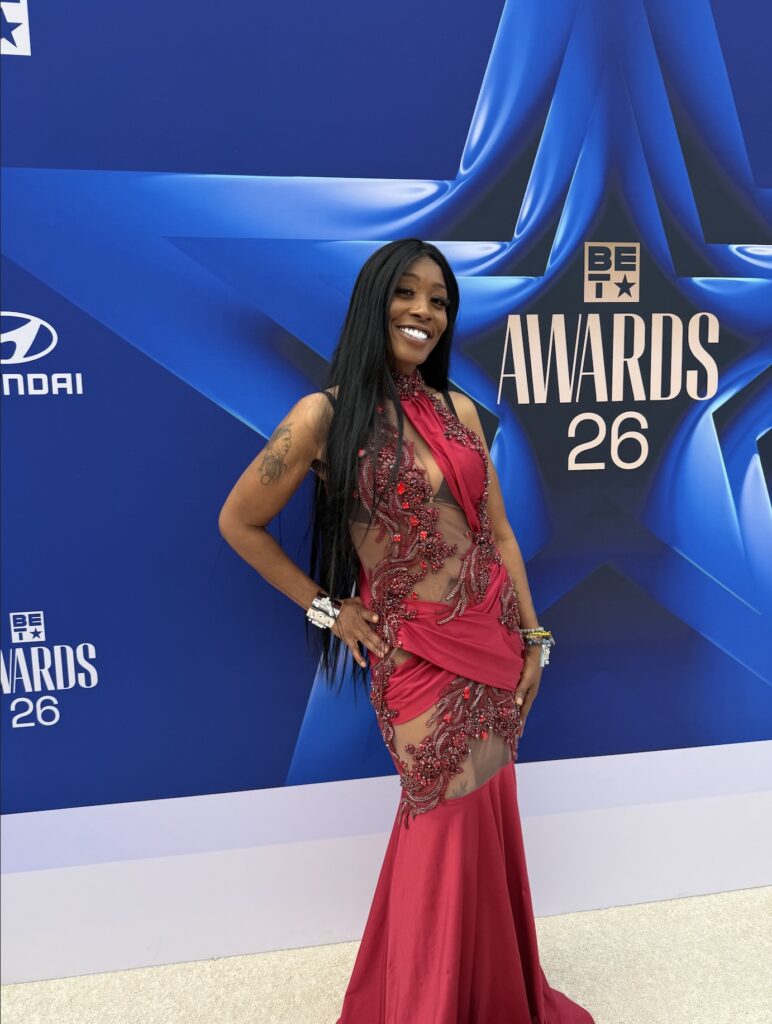
Couture as Strategic Brand Equity
The launch of La Maison de Rossario George marks more than the introduction of handcrafted garments; it represents a strategic investment in brand positioning.
Historically, couture has functioned as both a creative laboratory and a reputational asset. While only a small number of clients purchase couture garments, their influence extends well beyond direct sales, shaping editorial coverage, celebrity dressing, and consumer perception across an entire portfolio.
For emerging American luxury houses, couture can provide cultural authority even when it is not the primary revenue driver.
Rossario George’s approach reflects this dynamic. The couture division strengthens the brand’s luxury credentials while the ready-to-wear, beauty, and accessories businesses offer more scalable commercial opportunities.
This model mirrors the economics of many established luxury groups, where prestige categories elevate the desirability of products sold at higher volumes.
Building Outside Traditional Fashion Capitals
Perhaps one of the company’s more unconventional decisions has been to remain rooted in Seattle rather than relocating to New York, Paris, or Milan.
For previous generations, proximity to fashion capitals was often considered essential for credibility. Today, digital communication, global media platforms, and direct-to-consumer commerce have weakened many of those geographic barriers.
Independent brands are increasingly able to cultivate international audiences through editorial visibility, digital campaigns, and strategic collaborations without concentrating every aspect of their operations in traditional luxury centers.
That decentralization reflects one of fashion’s most significant structural shifts over the past decade.
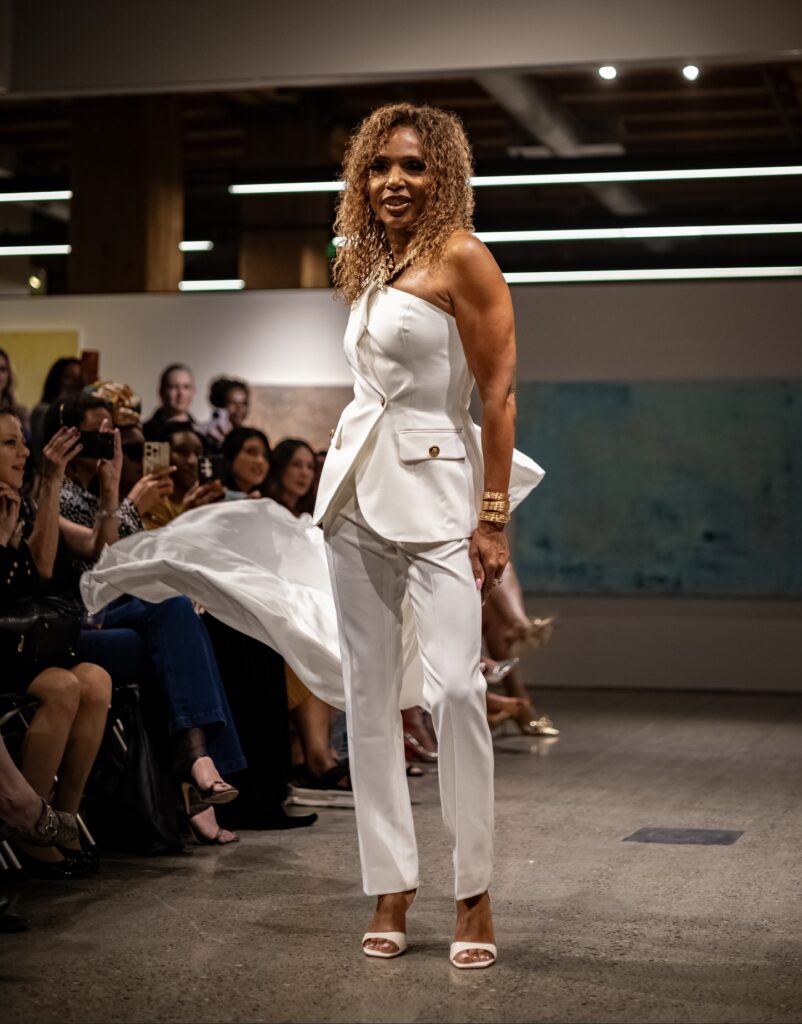
The Economics of Accessible Luxury
Luxury itself has also become more nuanced.
Consumers increasingly distinguish between exclusivity and inaccessibility. While handcrafted couture remains intentionally scarce, many shoppers seek opportunities to participate in luxury brands through products that are attainable without compromising perceived quality.
Rossario George has pursued this balance by pairing limited-production couture with ready-to-wear collections, beauty products, and accessories. The strategy enables the brand to preserve scarcity where appropriate while expanding its addressable market.
For independent houses operating without the scale of global conglomerates, this diversified revenue model can reduce dependence on a single product category and improve resilience during periods of changing consumer demand.
Values as Competitive Advantage
Luxury purchasing is increasingly influenced by values alongside aesthetics.
Consumers, particularly younger luxury buyers, routinely evaluate brands on issues including responsible sourcing, transparency, craftsmanship, and inclusivity. These expectations have shifted from marketing differentiators to business considerations that can influence purchasing decisions.
Rossario George has incorporated these priorities into its brand identity through handcrafted production, cruelty-free beauty offerings, and an emphasis on inclusive luxury. Whether those values ultimately translate into long-term commercial advantage will depend on execution, consistency, and the company’s ability to scale while maintaining quality.

A Test Case for American Luxury
Rossario George should not be viewed simply as an independent fashion label but as part of a broader experiment unfolding across the American luxury sector.
Rather than competing directly with centuries-old European maisons on heritage, emerging American houses have an opportunity to compete on innovation, entrepreneurship, and cultural relevance. Their success will depend less on recreating traditional luxury models and more on developing business strategies suited to today’s global marketplace.
For the United States, that could represent an important evolution. American fashion has long demonstrated commercial strength. The next challenge is proving that it can produce luxury houses capable of shaping global conversations around craftsmanship, creativity, and modern couture.
Whether Rossario George ultimately becomes one of those defining brands will be determined over time. Its significance today lies in illustrating that American luxury no longer has to choose between accessibility and aspiration. Instead, it can pursue both simultaneously, offering a distinctly American vision of what a contemporary fashion house can become.